Building a High-Value Display for Your Vinyl Collection

The Setup of a Collector's Dream
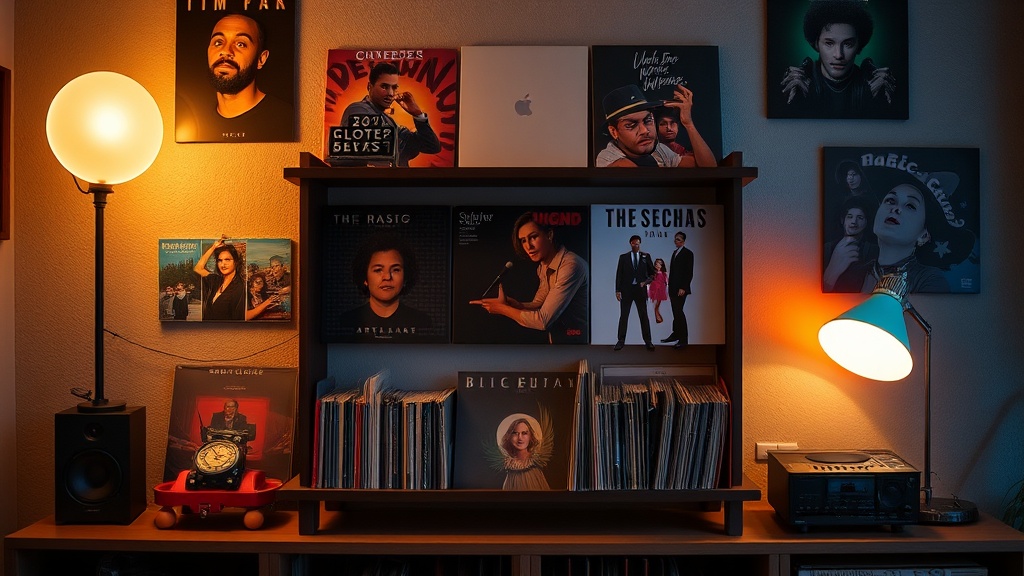
Imagine walking into a room where your most prized vinyl figures aren't just shoved onto a cluttered shelf, but are presented with intent. You see a limited edition Chase figure catching the light just right, positioned perfectly next to its themed counterparts. The lighting is soft, the background is clean, and the depth of the shelf makes the collection feel like a curated museum exhibit rather than a pile of plastic. This isn't just about aesthetics; it's about protecting the long-term value of your investment. A poorly managed display can lead to dust buildup, paint degradation, or even physical damage from improper shelving weight distribution.
A great display serves two purposes: it showcases your personality and it acts as a barrier against the elements. When you decide to invest in your collection, you're not just buying a toy—you're buying a piece of pop culture history. Whether you're a casual fan or a heavy-hitting investor, how you present these items determines how long they stay in mint condition. We'll look at the different ways to structure your shelving, the right materials to use, and how to avoid common mistakes that can ruin a display's visual impact.
What Kind of Shelving Works Best for Vinyl Figures?
Selecting the right structure is the first step in any serious collection build. Most collectors start with basic bookshelves, but there's a massive difference between a standard wooden shelf and a specialized display unit. Wood is great for a classic look, but it can be heavy and often lacks the transparency needed to see the back of the figure or the detail on the box.
Acrylic-based displays are the industry standard for a reason. They provide a 360-degree view and allow light to pass through, which prevents dark corners where dust tends to settle. If you're working with a tighter budget, clear plastic bins or specialized tiered risers can help you create depth. Instead of having a flat line of boxes, tiers allow the figures in the back to be visible over the ones in the front. This is a simple way to make a small collection look much more expansive and organized.
- Acrylic Risers: Best for small-scale figures or out-of-box displays.
- Glass Cabinets: Great for high-value items that need a physical barrier against dust.
- Floating Shelves: Perfect for creating a minimalist, modern look in a living area.
- Custom Built-ins: The gold standard for large-scale collectors with hundreds of units.
When choosing a shelf, always consider the weight capacity. A shelf full of heavy, oversized figures can actually bow over time if the material isn't strong enough. If you're using glass, ensure it's tempered glass to avoid any catastrophic failures if a shelf is bumped or overloaded.
How Do I Prevent Dust and Damage in My Display?
Dust is the silent enemy of every collector. It's not just unsightly; it can actually settle into the crevices of a figure's paint job or scratch the surface of a box if you try to wipe it off with a rough cloth. To combat this, a closed display system is always better than an open one. While open shelving looks great in a living room, it requires constant maintenance.
If you can't use a closed cabinet, look into using a soft-bristle brush—specifically a clean, high-quality makeup brush—to remove dust. Never use harsh chemicals or wet wipes, as these can strip the finish or leave a film on the vinyl. For those who keep their figures inside the original packaging, the box itself acts as a primary shield. However, even inside a box, dust can find its way in if the packaging is damaged or if the shelf is in a high-traffic area with lots of air movement.
One common mistake is using heavy spray cleaners near a display. The fumes from certain household cleaners can react with the vinyl or the ink on the box, causing slight discoloration over several years. If you're cleaning your shelves, use a dry microfiber cloth and a bit of gentle air pressure from a compressed air canister to lift particles away without touching the surface.
Is Lighting Important for a Figure Collection?
Lighting is the difference between a collection that looks "okay" and one that looks professional. However, lighting is also a double-edged sword. If you use high-intensity light, you might inadvertently cause the colors to fade or the vinyl to soften. This is especially true with LED lights that generate heat, even if it's minimal.
The goal is to use indirect lighting. LED strips are a fantastic option because they stay cool and can be tucked into the edges of shelves to provide a glow rather than a direct beam. Avoid placing your display directly under a window or near a heat source like a radiator. UV rays are incredibly destructive to both the plastic and the printed graphics on the boxes. If you want to keep your colors vibrant, look into UV-filtering film for your windows or use a display case that features UV-resistant acrylic.
For those who want to get technical, look at the Kelvin scale of your lights. A warmer light (around 2700K to 3000K) creates a cozy, inviting atmosphere, while a cooler, whiter light (5000K+) can make the colors pop and look more modern. Experiment with both to see how it changes the mood of your room. You can learn more about general light safety and UV protection through resources like energy efficiency guides to ensure you aren't overdoing it.
Managing Scale and Depth
One often overlooked aspect of a professional display is the sense of scale. If you have a massive collection, you can't just line them up in one long row. It looks like a grocery store shelf. Instead, group your items by theme, color, or series. This creates a visual narrative. For example, you might have a section for horror figures, a section for superheroes, and a section for seasonal exclusives. This grouping makes the collection feel curated rather than random.
Use different heights to create movement. A single, tall figure should be the focal point of a section, surrounded by smaller, shorter figures. This guides the eye through the collection rather than letting it rest on just one spot. If you're displaying out-of-box figures, consider using small stands or "feet" to ensure they remain stable and don't tip over, which can lead to paint scuffs or broken accessories.
A Pro-Tip on Box Integrity
For many, the box is just as important as the figure inside. If you're a collector who keeps everything in the packaging, your display should prioritize the box's structural integrity. Avoid stacking boxes too high, as the weight of the top boxes can crush the bottom ones over time. This is a common issue in many collectors' homes. If you have a particularly heavy or large-scale item, give it its own dedicated space or a reinforced shelf. You can check out sites like Pop Culture HQ to keep up with the latest trends in what collectors are currently focusing on regarding packaging and rarity.
| Display Type | Best For | Pros | Cons |
|---|---|---|---|
| Open Shelving | Casual Display | Easy access, low cost | High dust risk, looks cluttered |
| Acrylic Case | High-Value Items | 360 view, dust protection | Limited space, can be pricey |
| Glass Cabinet | Large Collections | Premium look, high protection | Heavy, requires more space |
| Tiered Risers | Small/Medium Groups | Great depth, affordable | Not a full dust barrier |
Building a display is a long-term project. Don't feel like you need to have everything perfect by next week. Start with a solid foundation—a sturdy shelf and a decent light source—and build out as your collection grows. The most important thing is that the display reflects your passion and keeps your figures safe for years to come.