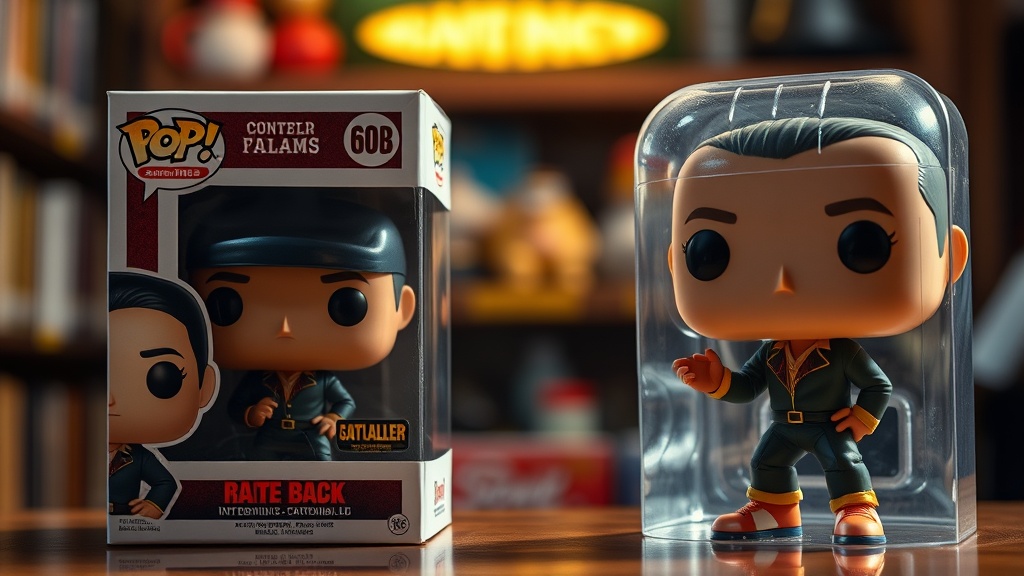
Can You Really Tell a Fake Funko Pop from the Real Thing?

The counterfeit collectibles market now exceeds $500 billion globally—and Funko Pops have become prime targets for scammers. That "rare" vaulted figure you found for an unbelievable price online? There's a decent chance it's a convincing fake that's cost unsuspecting collectors millions in collective losses. Learning to distinguish authentic vinyl from knockoffs isn't just about protecting your wallet—it's about preserving the integrity of a collection you've invested real time and passion into building.
Why Are Fake Funko Pops So Common Now?
The explosion in Funko Pop popularity created a perfect storm for counterfeiters. When vaulted figures started reselling for hundreds—or even thousands—of dollars, factories in unregulated markets began churning out convincing copies. Some fakes are laughably obvious. Others? Nearly indistinguishable from the real thing until you examine them under proper lighting.
The problem intensified with the rise of third-party marketplace sellers. Platforms like eBay, AliExpress, and even Amazon's third-party ecosystem have become flooded with reproductions. Scammers know that most buyers don't scrutinize their purchases immediately—and by the time someone notices a discrepancy, the seller has vanished or the return window has closed. It's a low-risk, high-reward scheme that's only getting more sophisticated.
What's particularly frustrating is that these counterfeits don't just hurt individual buyers. They devalue legitimate collections, muddy pricing data, and create an atmosphere of suspicion within trading communities. When you can't trust what you're buying, the entire secondary market suffers.
What Should You Look for on the Box?
The box tells you more than almost anything else. Authentic Funko packaging has specific characteristics that counterfeiters consistently struggle to replicate. Start with the printing quality—legitimate boxes use high-resolution offset printing with crisp, clean edges on every graphic element. Fakes often appear slightly blurry, with colors that feel "off" when compared side-by-side with verified authentic examples.
Check the Funko logo placement and font. The official logo uses a specific typeface with consistent letter spacing. Counterfeiters frequently use similar-but-wrong fonts, or position the logo slightly askew. Look at the window box itself too—authentic Pops use clear, distortion-free plastic that sits flush with the cardboard frame. Many fakes have cloudy, warped, or poorly fitted windows.
The bottom of the box holds crucial clues. Every authentic Funko Pop has specific manufacturing information printed there, including the item number, copyright details, and country of manufacture. These should be cleanly printed—not stamped, not stickered, but printed directly on the cardboard. The text should be sharp and perfectly aligned. Run your finger over it—authentic printing sits flat, while cheap reproductions sometimes have raised or textured ink.
Don't ignore the UPC code. While scammers can copy these, they often make mistakes. Cross-reference the UPC with databases like Pop Price Guide or Funko's official catalog. If the numbers don't match the figure inside, you've got a problem. Some sophisticated counterfeits use legitimate UPCs from common figures on rare ones—so the code scans as "real" but corresponds to the wrong item entirely.
How Can You Examine the Figure Itself?
Once you've inspected the box, it's time to look at the actual vinyl. Authentic Funko Pops are manufactured through a precise injection-molding process that creates smooth, consistent surfaces. Fakes often show mold lines, rough edges, or uneven textures—especially around the head seam where the two halves join. That seam should be nearly invisible on genuine figures.
Paint application is another dead giveaway. Funko's quality control isn't perfect (even real Pops have occasional paint flaws), but authentic figures use specific color formulations that counterfeiters rarely match exactly. The paint on fakes often looks too glossy or too matte, and application tends to be sloppier around eyes, logos, and fine details. Compare your suspect figure against high-resolution photos from Funko's official website or trusted collector databases.
Weight matters more than you'd think. Authentic Funko Pops have a specific heft thanks to quality vinyl and internal construction. Fakes often feel too light—like hollow plastic—or too heavy because they're using cheaper, denser materials. If you have a verified authentic figure from the same line, compare them directly. The difference is usually obvious once you know what to feel for.
Look at the base too. Every Funko Pop has a circular foot peg and base design that's difficult to replicate precisely. The underside should have clean molding with no excess plastic "flash" hanging off edges. Some figures have specific base stamps or markings that correspond to production runs—these details are rarely copied accurately.
Where Should You Buy to Avoid Getting Scammed?
The single best way to avoid counterfeits is buying from authorized retailers. Big-box stores like Target, Walmart, and Hot Topic source directly from Funko. Online, stick to Funko's official store, BoxLunch, or Entertainment Earth. Yes, you'll pay retail—or sometimes above it for exclusives—but you're guaranteed authenticity.
When buying from secondary markets, research your seller thoroughly. Check feedback scores, look for established seller history, and be deeply suspicious of deals that seem too good. That $400 Grail listed for $85 isn't a "lucky find"—it's almost certainly fake. Scammers prey on hope and FOMO (fear of missing out). If your gut says something's wrong, listen to it.
For high-value purchases, demand detailed photos before buying—front, back, sides, bottom, and the figure outside the box if possible. Legitimate sellers of expensive pieces expect this and won't hesitate. Anyone who refuses, makes excuses about "not wanting to damage the packaging," or provides blurry, low-resolution images is hiding something. Walk away.
Consider using eBay's Authenticity Guarantee for expensive purchases. For items over $200, eBay verifies authenticity before shipping to you. It's not foolproof, but it adds a layer of protection. Similarly, Facebook collector groups with verified member systems and middleman services can provide safer trading environments than anonymous marketplace listings.
What Resources Help Verify Questionable Purchases?
When you're uncertain about a figure, community knowledge becomes invaluable. The r/funkopop subreddit has active members who help authenticate suspicious finds—just provide clear photos and details about where you purchased. Experienced collectors can often spot fakes instantly based on details you might miss.
Reference databases are essential tools. Pop Price Guide maintains extensive photo galleries of authentic figures, including production variations and known manufacturing quirks. Compare every detail—these databases catalog even subtle differences between production runs that counterfeiters rarely account for.
Some collectors invest in blacklight testing. Authentic Funko Pops use specific paint formulations that react predictably under UV light. Fakes often glow differently or in places they shouldn't. It's not a definitive test—manufacturing variations exist—but combined with other checks, it adds confidence.
Ultimately, protecting yourself comes down to education and vigilance. The counterfeiters are getting better, but informed collectors stay ahead. Learn the specific details of figures you want, buy carefully, and never let excitement override caution. Your collection—and your bank account—will thank you for the extra scrutiny.