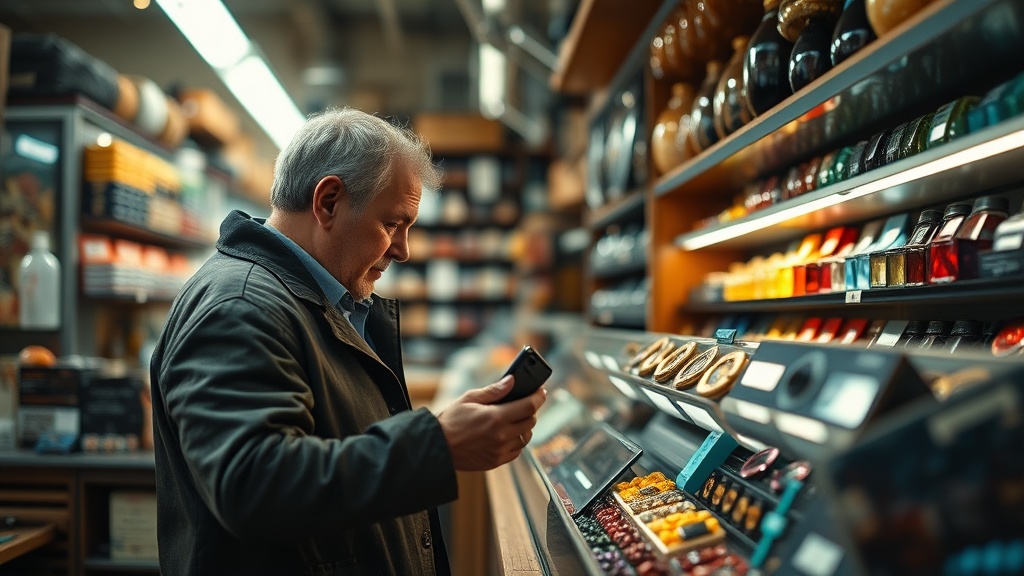
Finding High-Value Gems in Local Hobby Shops

Are you tired of seeing empty shelves at the big-box retailers?
If you've ever walked into a massive retail chain looking for a specific release, only to find empty pegs or a single leftover stock figure, you aren't alone. While big-box stores rely on high-volume shipments, they often lack the specialized inventory that makes a collection truly stand-out. This post explores why local hobby shops and independent toy stores are often the best places to find rare, high-value vinyl figures and how you can change your shopping habits to find better stock. We'll look at how these smaller businesses operate differently than massive corporations and why your search for that elusive chase figure might start with a local shop instead of a major website.
The retail-to-collector pipeline is often broken for those seeking specific exclusives. Big-box stores focus on the fastest turnover, meaning they don't hold onto stock for long. If a figure doesn't sell in the first week, it's often marked down or shipped back. Small, independent toy stores—the kind that specialize in collectibles, trading cards, and tabletop gaming—operate on a much more intentional level. They aren't just trying to clear shelf space; they are building a community. This means their inventory often includes pieces that larger retailers won't even touch.
Where can I find rare Pop stock besides the big retailers?
When the mainstream sites are sold out, your best bet is often a local independent hobby shop or a dedicated collectible boutique. These shops frequently source their inventory from various distributors and even secondary market wholesalers. Unlike the major chains, these businesses often have a more diverse range of products. You might find a specialized box set or a specific limited edition figure that a general retailer would deem too niche for their massive consumer base. If you want to find the good stuff, you have to look where the enthusiasts hang out.
One way to track these shops is by checking specialized marketplaces and community forums. Many of these small businesses have their own web stores or social media pages where they announce new arrivals. Instead of waiting for a massive shipment to land at a big-box store, you can often see what a local shop is getting in real-time. Many collectors find success by following Pop Price Guide to see what's trending and then looking for local shops that carry that specific niche. It's about being proactive rather than waiting for a shipment to hit a national website.
Why do local toy shops have better inventory?
The reason is simple: curation. A large retailer wants to sell what the widest possible audience wants. A local hobby shop wants to sell what the local collectors want. This difference in philosophy changes everything about their inventory. They might stock more specialty figures, certain high-end brands, or even older, out-of-print items that have become hard to find. Their goal is to be a destination for people like us—collectors who value the specific details of a figure over just a generic toy.
Beyond that, these shops often have a relationship with their customers that a massive corporation can't replicate. If you walk into a local shop and mention a specific line you are looking for, the owner might actually know if they have something in the back or when their next shipment arrives. This level of service is rare in the modern retail world. It's a way to build a network of people who share your passion. You aren't just a number in a database; you're a person with a specific interest in a specific collectible.
How can I build a relationship with local collectors?
Building a relationship with a local shop owner is one of the most effective ways to grow a high-quality collection. It isn't just about the money you spend; it's about the information you exchange. If you become a regular, you'll likely get a heads-up on when rare items are arriving. Many shops even have "VIP" lists or private groups where they share early access to new arrivals or even pre-order opportunities for highly anticipated releases. This is how you get ahead of the crowd.
You can also learn a lot from the staff at these shops. They are often collectors themselves and can offer advice on condition, rarity, and even potential value. If you're ever unsure about a certain piece of inventory, a knowledgeable shop owner can provide a perspective that a generic customer service chat cannot. To stay updated on the broader market, checking out sites like Toy Industry can help you understand the economic shifts that might affect what these small shops are able to stock in the coming months.
The Value of the Small Business Model
The small business model is built on a different kind of success. While a big-box store measures success by sheer volume, a local shop measures it by the depth of its inventory and the loyalty of its customers. For a collector, this is a massive advantage. It means you have a better chance of finding those one-of-a-kind pieces or the specific variants you've been hunting for. It requires a bit more effort to find these shops, but the reward of finding a rare gem in a small, quiet corner of a local shop is far better than any big-box hunt.
As you continue to build your collection, remember that the source of your items is just as important as the items themselves. Diversifying where you look—from specialized websites to local, independent shops—will always yield better results than relying on a single, massive retailer. The next time you see an empty shelf at a major store, don't be discouraged. It's just a sign that you need to look a little closer to the ground, where the real collectors are shopping.