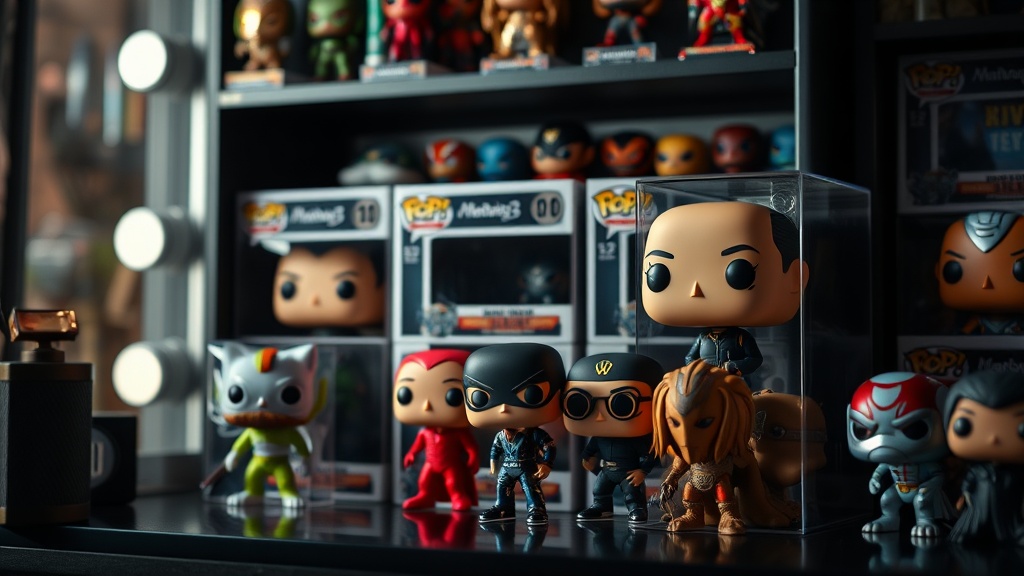
How to Protect and Display Your Funko Pop Collection Like a Pro

A Funko Pop collection represents more than vinyl figures on a shelf. Each piece holds value—monetary and sentimental. Without proper protection, boxes fade, paint chips, and resale value plummets. This guide covers everything needed to preserve and showcase a collection: storage materials, display techniques, environmental controls, and maintenance routines. Whether protecting three figures or three hundred, the right approach makes all the difference.
What's the Best Way to Protect Funko Pop Boxes?
Soft protectors and hard stacks serve as the primary defense. Soft protectors—thin plastic sleeves—shield against dust and minor scuffs. Hard stacks offer rigid protection against crushing and impacts. Most serious collectors use soft protectors for common figures and hard stacks for grails (valuable or limited pieces).
Soft protectors cost roughly $0.50-$1.50 each. Brands like 7BAP (7 Bucks a Pop) and PopShield dominate this space. They're crystal clear, acid-free, and fit standard 4-inch Pops perfectly. The catch? They won't stop a heavy book from crushing a box.
Hard stacks run $8-$15 per unit. These rigid cases feature locking mechanisms and stack securely. Companies like Vaulted Vinyl and Sc protectors manufacture premium options. Worth noting: hard stacks add significant bulk, so shelf space requirements multiply quickly.
| Protection Type | Best For | Price Range | Protection Level |
|---|---|---|---|
| Soft Protector | Common figures, shelf display | $0.50-$1.50 | Dust, light scratches |
| Hard Stack | Grails, valuable pieces | $8-$15 | Crushing, impacts, stacking |
| Pop Armor | 6-inch and 10-inch figures | $3-$8 | Size-specific protection |
| Sorter Box | Storage, moving | $1-$3 each | Transit protection |
Sizers matter too. 4-inch Pops—the standard size—need different protection than 6-inch, 10-inch, or 2-pack boxes. Always measure before ordering. Nothing's worse than a protector that fits like a bad suit.
Here's the thing about protectors: they trap moisture. In humid climates, condensation forms inside. The solution? Desiccant packs. Toss one silica gel packet into each protector, especially for figures stored long-term. Replace them every few months.
How Should You Display Funko Pops Without Damaging Them?
Display methods fall into three categories: wall-mounted, shelf-based, and enclosed cases. Each carries risks. Direct sunlight destroys box art within months. Dust settles into creases. Accidental knocks send figures flying.
Floating shelves offer clean presentation. IKEA's LACK series ($10-$15) supports 10-15 standard Pops per shelf. Install with proper wall anchors—drywall alone won't hold a full collection. Arrange figures with the best boxes at eye level. Minor shelf wear on lower rows stays out of sight.
Detolf cabinets from IKEA remain the gold standard for serious collectors. These glass display cases ($70-$90) feature four shelves, magnetic doors, and a small footprint. Add LED strip lights inside for dramatic effect. The glass blocks some UV light, though direct sun still causes fading.
Wall mounts work for out-of-box (OOB) collectors. 3M Command strips hold single figures securely—no drilling required. For heavier pieces, small floating shelves designed for collectibles (check Amazon's Funko-specific mounts) distribute weight better.
Spacing matters more than most realize. Crammed figures rub against each other. Paint transfers. Boxes warp. Leave at least a quarter-inch between protectors. For OOB displays, position figures so accessories don't touch neighbors.
That said, rotation beats static display. Move figures periodically. Light exposure, even indirect, affects one side more than others. A quarter-turn every month prevents uneven fading. Think of it like rotating tires—prevention through distribution.
Lighting Considerations
Warm LED strips (2700K-3000K) illuminate without the heat of halogen or incandescent bulbs. Heat damages vinyl over time—warping heads, softening boxes. Avoid spotlights aimed directly at figures. Diffused lighting looks better and causes less damage.
UV-filtering film on windows costs roughly $30-$50 per window. It blocks 99% of harmful rays while maintaining visibility. For rooms with unavoidable sun exposure, this investment pays for itself in preserved value.
What Environmental Conditions Harm Funko Pops?
Humidity, temperature swings, and air quality degrade vinyl and cardboard alike. Ideal conditions mirror what museums use for paper artifacts: 45-55% relative humidity, 65-72°F (18-22°C), minimal dust, and no direct sunlight.
Humidity causes box swelling, mold growth, and label peeling. In damp climates (looking at you, Vancouver and Halifax), run a dehumidifier in collection rooms. Aim for 50% relative humidity. Hygrometers—$10 digital monitors—track levels accurately. Many collectors use Eva-Dry renewable dehumidifiers inside display cases.
Temperature fluctuations expand and contract materials. Vinyl softens above 85°F (29°C). Adhesive on windowed boxes loosens. Attics and garages? Death sentences for collections. Basements? Only with dehumidification running constantly.
Air quality affects white boxes most. Cigarette smoke, cooking grease, and incense residue cling to cardboard. Once yellowed, boxes never return to original brightness. Keep collections out of kitchens and away from smoking areas.
Pests pose real threats. Silverfish eat cardboard. Carpet beetles munch on fabric elements (some Pops include cloth accessories). Spider webs look unsightly in displays. Regular cleaning prevents infestations before they start.
How Do You Maintain a Large Funko Pop Collection?
Organization systems separate casual collectors from pros. Without tracking, duplicates happen. Grails get buried behind commons. Insurance claims become impossible.
Inventory apps simplify tracking. Pop Price Guide (PPG) offers a free collection manager with current market values. Stashpedia (now integrated with HobbyDB) provides similar features. Both offer mobile apps for scanning barcodes in the wild. Here's the thing—values fluctuate. That $50 figure today might hit $200 next year. Or drop to $15. Track purchases, not just current worth.
Physical organization follows personal preference. Alphabetical by name? By series (Marvel together, Star Wars separate)? By value (grails locked away, commons accessible)? Most collectors use hybrid systems—series grouping with valuable pieces in protected zones.
Cleaning routines prevent dust buildup. Monthly: dust protectors with microfiber cloths. Quarterly: remove figures, wipe shelves, inspect for damage. Annually: photograph the entire collection for insurance purposes. Document serial numbers and purchase receipts.
"Treat your collection like a small library. Regular maintenance takes minutes. Neglect takes years to undo."
For insurance, standard homeowner's policies often cap collectibles at $1,000-$2,500. Riders (additional coverage) specifically list Funko Pops with agreed values. Companies like Collectibles Insurance Services specialize in this. Photograph everything. Save receipts. Update values annually.
Shipping and Transport
Moving a collection? Don't trust regular boxes. USPS, UPS, and FedEx sorters aren't gentle. Individual sorter boxes—sturdy cardboard designed for Pops—cost $1-$3 each. Double-box valuable pieces. Fill voids with packing peanuts (not newspaper—ink transfers). Label boxes "Fragile" and "This Side Up" obsessively.
For convention trips, hard-sided luggage with foam inserts protects grails better than soft bags. TSA will open and inspect. Pack so figures survive repacking by rushed agents.
Should You Keep Funko Pops In-Box or Out-of-Box?
This debate divides the community. In-box (ITB) collectors preserve maximum value and display box art. Out-of-box (OOB) collectors enjoy the figures fully—posing, photographing, appreciating sculpt details. Neither choice is wrong. Both require different protection strategies.
In-box advantages: Higher resale value (often 2-3x OOB prices), protection from dust and handling damage, easier storage in protectors, intact packaging for authenticity verification. Most grails stay ITB.
Out-of-box advantages: Better display aesthetics, ability to pose figures, space efficiency (no bulky boxes), pure collector joy without investment anxiety. OOB collections often look more dynamic and personal.
Hybrid approaches work too. Keep commons OOB for display. Store rare pieces ITB. Use acrylic risers for OOB figures—improving back rows improves visibility. Just don't mix ITB and OOB on the same shelf. The height differences look messy.
Worth noting: once opened, you can't return to mint condition. Box damage—creases, tears, window scuffs—permanently affects value. Open carefully if preservation matters. Run a butter knife gently along tape lines. Save inserts and packaging materials.
Ultimately, collect for enjoyment first. Whether staring at 50 boxed Pops in protectors or 50 loose figures arranged in elaborate dioramas, the hobby rewards what brings satisfaction. Protect accordingly, display proudly, and never apologize for your approach.
Steps
- 1
Choose the Right Protective Cases for Your Pops
- 2
Set Up UV Protection and Control Lighting
- 3
Arrange Your Display for Maximum Visual Impact