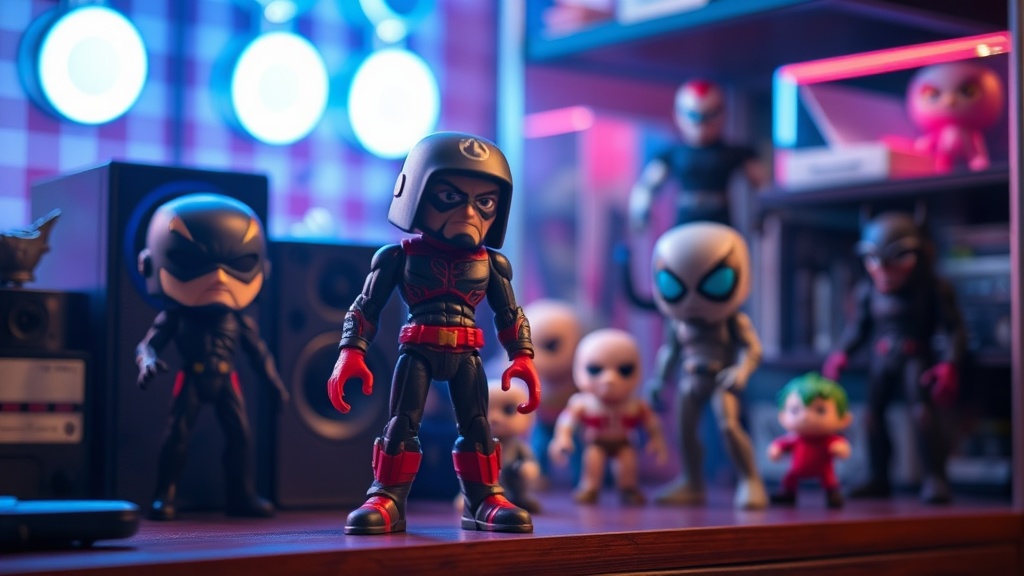
Protecting Your Vinyl Figure Condition with Proper Storage Solutions

What You'll Learn About Long-Term Figure Preservation
This guide covers the practical methods for keeping your vinyl figures in pristine condition by focusing on environmental control and physical protection. We'll look at how to manage humidity, light exposure, and structural stability so your collection stays as close to factory-new as possible. Whether you're a casual fan or a heavy-duty investor, understanding these variables helps prevent the gradual degradation that often plagues long-term collections.
Why Is Humidity a Problem for Vinyl Figures?
Humidity is a silent killer for collectors. When air contains too much moisture, it doesn't just affect your paper-based items like trading cards; it can lead to issues with the physical structure of the box and the figure itself. High humidity levels often lead to 'shelf wear' or even structural warping of cardboard boxes. If you live in a damp climate, your figures might even develop a sticky residue or a musty smell if not stored correctly.
To keep your items safe, you should aim for a stable environment. A consistent humidity level—ideally between 40% and 50%—is the sweet spot. You can monitor this with a simple hygrometer, a cheap device that tracks air moisture. If you notice your display area feels heavy or damp, it's time to look into a dehumidifier. This isn't about being obsessive; it's about preventing the physical breakdown of the materials that make up your favorite pieces. For more technical data on how environmental factors affect materials, you can check out the [American Chemical Society](https://www.acs.org/) for insights on chemical stability in various environments.
Can UV Rays Damage My Collection?
Yes, they can. Sunlight and even certain types of artificial lighting contain ultraviolet rays that act as a bleaching agent. If you've ever seen a figure that looks slightly faded or a box that has lost its vibrant color, you've seen UV damage in action. This isn't just a cosmetic issue—over time, UV exposure can actually make the plastic more brittle. It's a subtle change, but it matters if you ever plan to sell your collection.
To avoid this, keep your display cases away from direct windows. If you have a shelf near a sun-drenched window, your figures are essentially sitting in a slow-motion oven. Using UV-filtering films on windows or selecting LED lighting—which emits significantly less heat and UV than traditional incandescent bulbs—is a smart way to protect your investment. Most modern LED setups are quite safe, but it's worth verifying the light output if you're building a high-end display. Check out [The Museum of Modern Art's preservation guidelines](https://www.moma.org/) to see how professional institutions handle light sensitivity in art.
How Do I Prevent Physical Damage and Shelf Wear?
Physical damage often comes from the most unexpected places: gravity and vibration. A figure that isn't properly seated in its base can tip over, leading to scuffs or broken limbs. Similarly, if you stack boxes too high, the weight of the top boxes will eventually crush the bottom ones, leading to the dreaded 'crushed corner' look. This is a major issue for collectors who value the box condition as much as the figure itself.
Here is a checklist for physical stability:
- Use Figure Stands: Ensure every figure has a stable base or a custom stand to prevent tipping.
- Avoid Stacking Boxes: If you aren't using protective sleeves, don't stack heavy boxes on top of light ones.
- Check Your Shelving: Make sure your shelves aren't bowing under the weight. A slight tilt can lead to a domino effect if one piece falls.
- Protective Sleeves: Using clear, high-quality plastic protectors (often called Pop Protectors) adds a layer of defense against dust and minor bumps.
Dust is another factor that people often overlook. While a little dust won't destroy a figure immediately, it can be abrasive. If you're constantly wiping your figures with a cloth, you might actually be causing micro-scratches on the surface of the vinyl or the plastic window. Instead, use a soft-bristled brush or a specialized air blower to remove dust without direct contact. This keeps the surface clean without the risk of friction-based damage.
The goal is to create a controlled environment where the variables—light, moisture, and movement—are kept to a minimum. It's not about being perfect; it's about creating a setup that resists the natural decay caused by the environment. By implementing these simple steps, you'll ensure that your collection remains in top shape for years to come.