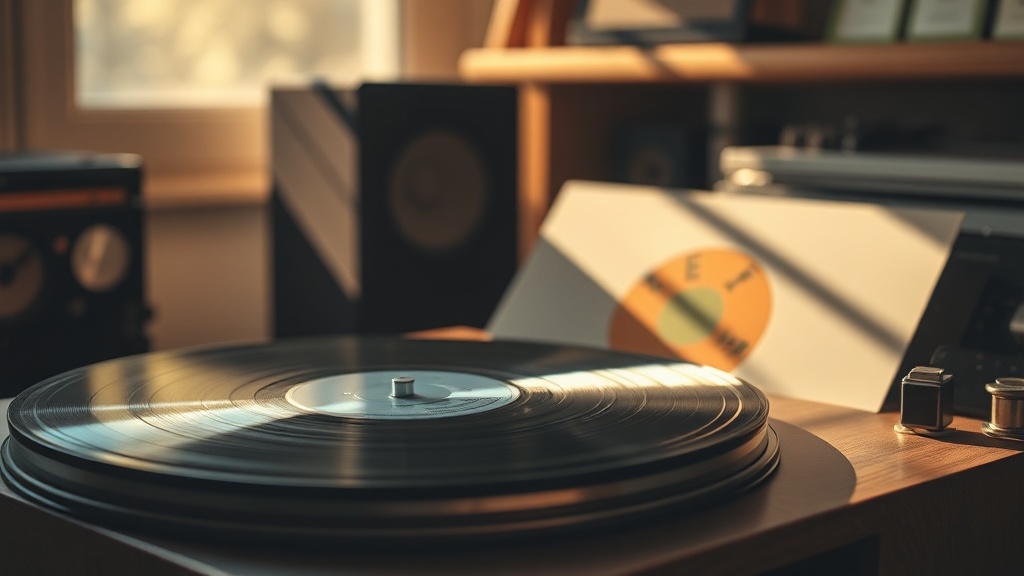
Protecting Your Vinyl Treasures from Dust and Sunlight

Have you ever looked at your favorite vaulted Funko Pop and noticed a slight discoloration on the box or a layer of grime on the figure itself? Dust and sunlight are the two biggest enemies of any serious collector, and if you don't manage them, your collection's value can drop significantly. This post breaks down the best ways to protect your vinyl figures from environmental damage using practical, everyday methods.
Collectors often focus on the hunt—finding that rare Chase or a hard-to-get Glow in the Dark variant—but we often forget the maintenance phase. A pristine box is often just as important as the figure inside for maintaining resale value. If you're looking to start your collection the right way, you might want to check out the ultimate guide for new collectors to ensure you're buying the right pieces from the start.
How Do I Protect My Funko Pops from Sunlight?
The best way to protect your figures from sunlight is to keep them away from direct UV rays and window light. Ultraviolet radiation causes a chemical reaction in the PVC (polyvinyl chloride) used in most vinyl figures, leading to fading and even structural softening. This isn't just about the colors looking dull; it's about the actual integrity of the material.
Sunlight is a silent killer for collectors. You might think a sunny corner looks great in your display case, but that heat and light are working against you. Even through a window, UV rays can penetrate and bleach the vibrant paint jobs on your figures. It’s a slow process, but once that pink hair on a character turns a pale peach, there's no going back.
Here are the most effective ways to mitigate UV damage:
- Use UV-Protective Film: You can apply a clear UV-blocking film to your windows. It's a cheap way to shield your entire room without losing the view.
- Switch to LED Lighting: Traditional incandescent bulbs emit heat and some UV. LEDs are much cooler and safer for long-term display.
- Acrylic Display Cases: Using high-quality cases can provide a secondary layer of defense.
- Blackout Curtains: If your display is in a room with heavy sunlight, use heavy drapes to control the environment.
A quick tip: if you use LED strips in your display cases, make sure they aren't touching the figures. Heat buildup in a closed case can cause the vinyl to become "sticky" or even slightly warped over time. It's a common mistake among hobbyists.
How Do I Keep Dust Off My Collection?
Keeping dust off your collection requires a combination of physical barriers and regular, gentle cleaning routines. Dust isn't just unsightly; it can be abrasive and can actually bond to the surface of the vinyl if left for too long. Once dust settles into the crevices of a complex sculpt, it becomes a nightmare to remove without damaging the paint.
I've seen many collectors try to use harsh chemicals to clean their figures, and it's a mistake. Never, ever use window cleaner or anything with alcohol on your figures. The chemicals in those sprays can strip the paint right off the vinyl. It's a heartbreaking sight to see a rare piece ruined by a well-meaning cleaning attempt.
Instead, follow this tiered approach to cleaning:
- The Prevention Phase: Use airtight display cases. While it's a bit more expensive, a sealed acrylic case is the gold standard for keeping dust at bay.
- The Weekly Maintenance: Use a soft-bristled makeup brush or a dedicated camera lens brush. This allows you to get into the small gaps of the figure's hair or clothing without scratching the surface.
- The Monthly Deep Clean: If you have "naked" figures (those out of the box), use a can of compressed air. Hold the can at a distance—don't blast the figure directly—to blow away settled particles.
For those who keep their Pops in the box, the box itself acts as a shield. However, the cardboard is still porous. If your room is humid, the cardboard can absorb moisture, leading to "shelf wear" or even mold in extreme cases. It's worth noting that even "in-box" collectors need to keep an eye on their environment.
If you're dealing with a particularly stubborn piece of dust, a slightly damp (not wet!) microfiber cloth is your best friend. Just be careful with the paint application on your figures. Some older or lower-quality paint jobs are much more susceptible to moisture than others.
What is the Best Way to Display My Collection?
The best way to display your collection is in a controlled, indoor environment that avoids heat, light, and humidity. Your display choice should depend on whether you are a "boxed" collector or an "out-of-box" collector. Each method has its own set of rules for preservation.
Let's look at the pros and cons of different display methods:
| Display Type | Best For | Pros | Cons |
|---|---|---|---|
| Acrylic Cases | High-Value/Out-of-Box | Maximum dust/UV protection | Can trap heat if lights are too close |
| Glass Cabinets | Large Collections | Looks professional/premium | Requires glass cleaning/UV film |
| Open Shelving | Budget-Friendly | Easy access/low cost | High dust and light exposure |
| Protective Sleeves | In-Box Collectors | Prevents box scratches | Doesn't protect against light |
If you're an out-of-box collector, I highly recommend investing in high-quality acrylic cases. They are a game-changer for keeping your figures looking brand new. You can find many different sizes on sites like Amazon or specialized hobby shops. Just make sure you aren't placing them directly under a bright desk lamp that generates heat.
For those who keep everything in the box, "protector" cases are a must. These are the clear plastic shells that fit over the cardboard. They don't just protect the box from corner dings or scratches; they also provide a slight buffer against the environment. While they won't stop UV rays entirely, they add a layer of defense that a bare box doesn't have.
One thing to watch out for is "shelf sag." If you have heavy figures or a large stack of boxed Pops, make sure your shelving is sturdy. A sagging shelf can cause the boxes to tilt, which eventually leads to permanent bends in the cardboard. It's a small detail, but it matters for long-term value.
If you want to learn more about the science of materials, the Wikipedia page on Polyvinyl Chloride explains why these plastics behave the way they do under different temperatures and light exposures. It's a deep dive, but it helps you understand why your figures are reacting to your environment.
Remember, your collection is an investment of both time and money. Treating it with a bit of care today prevents a lot of regret tomorrow. Whether you're using a simple shelf or a custom-lit glass cabinet, always prioritize the health of the vinyl and the integrity of the packaging.
Steps
- 1
Choose a UV-Protected Display Case
- 2
Avoid Direct Sunlight Exposure
- 3
Use a Soft Microfiber Cloth for Dusting
- 4
Implement Regular Air Filtration