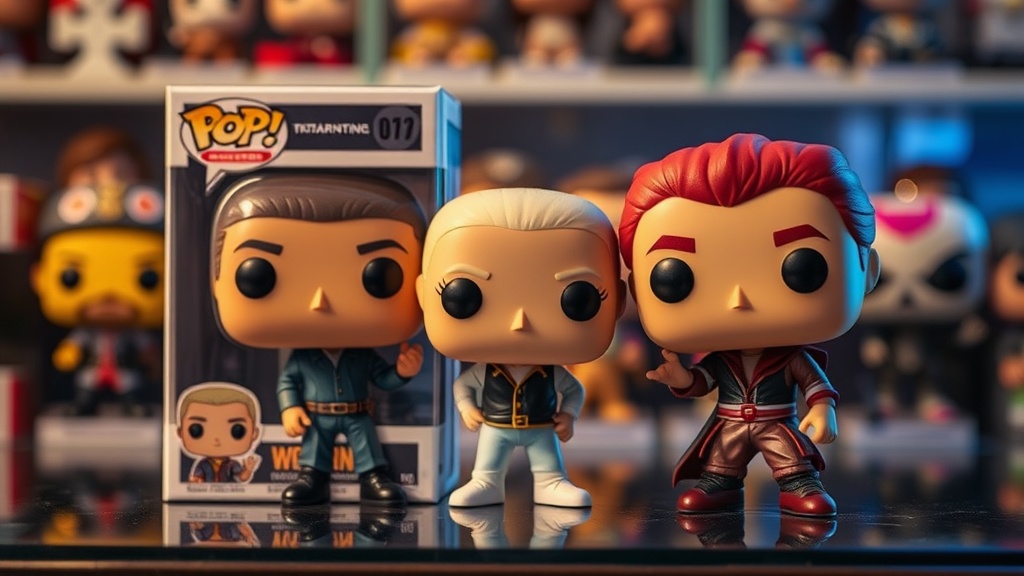
Spotting Counterfeit Funko Pops Before They Infect Your Collection

What happens when that "too good to be true" deal on a vaulted Grail turns out to be exactly that? Counterfeit Funko Pops have flooded the secondary market — and they are getting harder to spot. Whether you are hunting on auction sites, browsing local marketplace listings, or trading with other collectors, knowing how to authenticate a Pop before money changes hands will save you from the gut-punch of discovering a fake in your display case.
This guide breaks down the telltale signs of counterfeit figures — from packaging discrepancies to sculpt anomalies — so you can buy with confidence and protect the integrity (and value) of your collection.
Why Are Fake Funko Pops So Common Now?
The explosion of Funko Pop collecting over the past decade created a perfect storm for counterfeiters. When vaulted figures started selling for hundreds — sometimes thousands — of dollars, factories overseas began producing convincing knockoffs that mirror the real thing. These are not the obvious fakes of years past with misspelled character names or flimsy boxes. Modern counterfeits often replicate holographic stickers, box textures, and even the weight of authentic figures.
The problem compounds because many collectors buy online without handling the figure first. A carefully staged photo can hide the subtle differences between genuine and fake. And here is the uncomfortable truth: some sellers themselves do not realize they are pushing counterfeits. They bought from a questionable source months ago and are now flipping the item, perpetuating the cycle.
The most commonly faked Pops include vaulted Disney Grails, early Marvel releases, and convention exclusives with limited production runs. If a figure has skyrocketed in value, assume counterfeit versions exist — and approach every transaction accordingly.
What Packaging Details Reveal a Fake Funko Pop?
The box is your first line of defense — and counterfeits almost always slip up here. Start with the window clarity. Authentic Funko Pop boxes use high-grade PET plastic that is crystal clear and slightly rigid. Fakes often use thinner, cloudier plastic that scratches easily or has a yellowish tint under bright light.
Next, examine the printing quality. Genuine boxes feature sharp, vibrant colors with consistent saturation. Counterfeit boxes may show pixelation, color bleeding, or slightly "off" hues — especially in skin tones and metallic accents. Hold the box at an angle under direct light: authentic printing has a subtle matte finish, while many fakes appear overly glossy or have visible print dots.
The Funko logo itself provides clues. On real boxes, the "Funko" text is embossed with clean, defined edges. Fakes often have softer embossing or slightly irregular letter spacing. Check the bottom panel too — authentic boxes include copyright information, manufacturing location (typically China or Vietnam), and a barcode that scans correctly. Counterfeit barcodes sometimes lead to unrelated products or fail to scan entirely.
Sticker authentication matters enormously for exclusive releases. Real convention stickers have specific holographic patterns and adhesive that leaves residue if removed. Fake stickers often sit slightly crooked, have duller holographic effects, or peel off cleanly because they use standard adhesive. Compare any suspect sticker against verified photos from Funko's official website or collector databases.
How Can You Tell a Fake Figure from the Real Sculpt?
Once you have opened the box — or if you are examining loose figures — the sculpt and paint application reveal the truth. Authentic Funko Pops are produced through precise manufacturing processes with quality control checks. Counterfeits, even good ones, betray themselves in the details.
Look first at the paint lines. Genuine figures have clean boundaries between colors — the paint stays where it belongs. Fakes often show sloppy application: paint bleeding into adjacent areas, uneven coating thickness, or visible brush strokes where there should be none. Check the eyes especially — authentic Pop eyes are perfectly round, consistently sized, and sharply defined. Counterfeit eyes may be slightly oval, off-center, or have wobbly pupils.
The figure's weight provides another signal. Authentic Pops use specific vinyl compounds that give them a satisfying heft. Fakes often feel lighter or have uneven weight distribution because they use cheaper materials. Give the figure a gentle shake — authentic Pops have minimal internal movement because the head attaches securely to the body via a spring mechanism that meets exact specifications. Loose rattling or excessive wobbling suggests inferior construction.
Base markings matter too. Most authentic Funko Pops have copyright information and mold numbers stamped or molded into the underside of the base. These markings should be clean and readable. Fakes sometimes omit these entirely, or the text appears blurry and imprecise.
Where Should You Buy to Minimize Counterfeit Risk?
Your sourcing strategy matters more than your authentication skills. The safest purchases come from authorized retailers — big box stores, comic shops with Funko distributor accounts, and directly from Funko's online shop. These channels have supply chain integrity that eliminates counterfeit risk entirely.
When buying from secondary markets, prioritize sellers with established reputations. eBay's Authenticity Guarantee program now covers many high-value Funko Pops — a game-changing service where professionals verify the figure before it reaches you. Mercari and Facebook Marketplace offer less protection, so adjust your risk tolerance accordingly. Always check seller ratings, read recent reviews specifically mentioning packaging and authenticity, and never complete transactions outside platform protections.
Collector communities provide another safety net. The r/funkopop subreddit maintains lists of verified sellers and calls out known counterfeit distributors. Local collector groups often have members who can inspect suspicious listings or accompany you to in-person meets. Building these connections takes time — but the peace of mind is worth it when you are hunting expensive Grails.
Trust your instincts when deals seem suspicious. That $400 vaulted figure listed for $80 is not a lucky break — it is a trap. Counterfeiters prey on hope and FOMO. Remember: missing out on a fake is better than owning one.
Red Flags in Seller Listings
- Stock photos instead of actual item pictures
- Vague descriptions avoiding specific condition details
- Reluctance to provide additional photos upon request
- Pricing significantly below market value without explanation
- Sellers with new accounts offering high-value exclusives
- Listings that ship from countries known for counterfeit production without authentic retail presence
What Should You Do If You Discover a Fake?
Finding a counterfeit in your collection stings — but how you respond matters. If you purchased from a platform with buyer protection, file a claim immediately with photographic evidence showing the discrepancies. Most major marketplaces side with buyers when authenticity issues are documented clearly.
If the seller was unaware they sold a fake, approach the conversation with documentation rather than accusations. Share comparison photos, explain the specific indicators you noticed, and request a refund. Many honest sellers will make it right. If they refuse or become defensive, escalate through platform channels and leave detailed feedback warning other collectors.
Never resell a counterfeit as authentic — even accidentally. Doing so damages your reputation and perpetuates the problem. Instead, clearly label it as a replica in any future sale, dispose of it, or keep it as a reference piece for authentication training. Some collectors maintain "fake libraries" of known counterfeits to help themselves and others identify future scams.
The counterfeit problem will not disappear — but informed collectors can minimize its impact. Stay current on authentication techniques by following collector forums, examining new counterfeit variants as they emerge, and sharing knowledge within your collecting community. Every fake identified and removed from circulation makes the hobby safer for everyone.