The Ultimate Funko Pop Buying Guide for New Collectors

This guide breaks down everything a new collector needs to know before buying Funko Pops—from understanding sticker variants and spotting fakes to finding the best retailers and budgeting wisely. Whether you're drawn to Marvel, Star Wars, anime, or classic rock icons, the collecting journey starts with knowing what to look for, where to shop, and how much to spend.
What Are Funko Pops and Why Do People Collect Them?
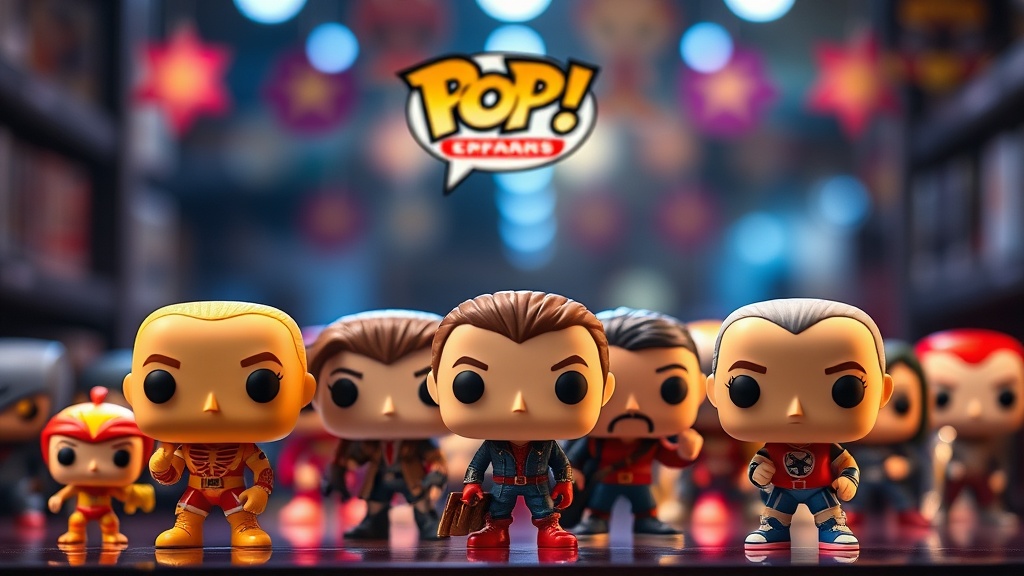
Funko Pops are vinyl figurines with oversized heads, small bodies, and distinctive black eyes—an aesthetic that's instantly recognizable and oddly charming. Born in 2010 with the debut Pop line featuring DC Comics and Peanuts characters, these figures have ballooned into a $1 billion collectible phenomenon spanning thousands of licenses.
People collect for different reasons. Some chase nostalgia—reconnecting with childhood favorites like The Simpsons or Dragon Ball Z. Others treat it as an investment, hunting limited editions that appreciate in value. Many simply enjoy the hunt itself. That said, there's no wrong way to build a collection.
The standard Pop stands 3.75 inches tall, though "Super" sizes (6 inches), "Jumbo" figures (10 inches), and even 18-inch giants exist for characters like the Hulk or Baby Yoda. You can curate by theme—horror movies, sports legends, musicians—or let your shelves grow organically based on whatever catches your eye. (The chaos approach has its fans.)
Where Should You Buy Funko Pops as a Beginner?
New collectors should start with reputable retailers that guarantee authenticity—Hot Topic, BoxLunch, GameStop, Target, Walmart, and Barnes & Noble all carry current releases. Online, Funko's official store drops exclusives directly, though competition for limited items is fierce.
Specialty shops offer advantages big box stores can't match. Local comic shops often carry regional exclusives and employ staff who actually know the product. The catch? Prices sometimes run $2-5 above retail. Worth noting—building relationships with these shop owners can lead to early access or holds on hot releases.
Conventions remain a collector's paradise. San Diego Comic-Con and New York Comic-Con host Funko booths with event-exclusive drops you won't find elsewhere. Even smaller regional cons—like Fan Expo Canada in Toronto, just a few hours from Ottawa—offer shared retailer exclusives without the massive crowds.
For hunting retired or vaulted Pops, the secondary market is unavoidable. eBay works, but verify seller ratings meticulously. Mercari and Facebook Marketplace sometimes surface local deals. Serious collectors swear by Pop Price Guide (PPG) for valuation and HobbyDB for tracking release databases.
Retailer Comparison: Where to Shop
| Retailer | Best For | Price Range | Exclusives? |
|---|---|---|---|
| Hot Topic | Anime, pop culture, chase variants | $12-15 | Frequent exclusives, sticker variants |
| GameStop | Video games, Star Wars, Marvel | $12-14 | Gaming exclusives, bundle deals |
| Target | Convenience, quick drops | $11-13 | Target Con exclusives, 10-inch figures |
| Barnes & Noble | Literary characters, classics | $12-15 | Exclusive Harry Potter, classics |
| Funko Shop | Limited drops, Freddy Funko | $12-20 | Event exclusives, Funko originals |
| Local Comic Shops | Vaulted Pops, expertise | $15-50+ | Regional exclusives, grail hunting |
How Much Should You Expect to Spend on Funko Pops?
Standard retail Pops cost between $11 and $15, depending on the retailer and your location. Box sets and ride vehicles run $25-40. The 6-inch Super Pops typically retail for $15-20, while 10-inch Jumbos command $30-60.
Here's where it gets interesting. Once a Pop retires—or "vaults" in collector parlance—prices can climb dramatically. A $12 figure from 2015 might sell for $200 today. That said, most Pops don't appreciate. They sit at retail value or depreciate slightly. The market rewards scarcity, not age alone.
Smart budgeting means setting limits. Decide your monthly collecting budget upfront. $50? $100? Stick to it. The rabbit hole runs deep—chase variants, convention stickers, signed editions, and overseas exclusives all scream for attention. Here's the thing: a focused collection of 50 Pops you love beats 200 random impulse buys every time.
Factor in protective gear too. Soft protectors run $1-2 each. Hard stacks—rigid cases for valuable figures—cost $8-12. Even budget collectors should invest in protectors for anything over $30 in value. Shipping costs add up fast when buying online; many collectors batch orders to hit free shipping thresholds.
What Do the Different Funko Pop Stickers Mean?
Those circular stickers on Pop boxes aren't decoration—they indicate rarity, exclusivity, and origin. Understanding them prevents overpaying and helps spot deals.
The "Exclusive" sticker (varies by retailer—Hot Topic, GameStop, etc.) means you can only buy that figure at that specific store or its website. The "Chase" sticker denotes a rare variant—different pose, finish, or accessory—inserted randomly at a 1-in-6 ratio in standard shipments. Chase figures typically command 3-5x retail on the secondary market.
"Limited Edition" stickers appear on convention exclusives and overseas releases with restricted production numbers. The "Funko Special Series" sticker covers various exclusive types. Overseas stickers—Japanese, European, Australian variants—create subsets collectors pursue aggressively.
Sticker swapping happens. Unscrupulous sellers peel exclusive stickers from common Pops and apply them to fakes. Always verify the figure inside matches the sticker's claimed origin. A Batman with a "Convention Exclusive" sticker that doesn't appear in official convention photos? Red flag.
How Do You Spot Fake Funko Pops?
Counterfeit Pops flood the secondary market, especially for high-value grails. Learning to identify fakes protects your wallet and your collection's integrity.
Start with the box. Authentic Funko boxes use high-quality cardboard with crisp, vibrant printing. Fakes often show blurry images, off-color backgrounds, or flimsy construction. The figure window should be clear, not cloudy or scratched. (Inspect the glue lines too—messy, excessive glue suggests a factory you don't want supporting.)
The figure itself tells stories. Official Pops have clean paint applications, consistent skin tones, and detailed sculpting. Bootlegs feature wobbly heads, paint bleeding between colors, and that telltale "cheap plastic" sheen. The base (the black disc the figure stands on) should snap in securely—loose bases often indicate knockoffs.
Serial numbers matter. Every authentic Pop has a series of numbers molded into the bottom of the base and printed on the box bottom. These should match. No numbers? Fake. Mismatched numbers? Suspicious. When buying online, request photos of these details before committing.
Common fakes to watch for include vaulted Disney Pops (Wall-E, Stitch), early Game of Thrones figures, and any "Chase" variant selling below market value. If a $150 Pop lists for $40 with free shipping from a seller with three ratings—run.
"Collect what you love, not what's hyped. The best collections reflect personal passion, not market trends."
Protecting and Displaying Your Collection
Once you've acquired Pops, preservation becomes the game. Direct sunlight fades boxes within months. Heat warps vinyl. Dust accumulates in creases and corners.
For display, bookshelves work fine for beginners. IKEA's BILLY bookcase accommodates roughly 30-40 Pops per shelf. Wall-mounted floating shelves create "floating" displays that impress guests. Some collectors use risers to create tiered arrangements—seeing every figure beats a wall of hidden faces.
Storage options vary by commitment level. OOB (out-of-box) collectors stack figures in clear acrylic cases or arrange them on desks. In-box purists need shelf space and sometimes climate control for high-value pieces. That said, there's no rule saying you can't mix both approaches based on the figure's significance to you.
Insurance matters for serious collections. Homeowner's policies often cap collectibles coverage. A dedicated collectibles rider—or documentation through apps like Collectr or Stashpedia—protects against theft, fire, or water damage. Photograph everything. Save receipts. The 10 minutes of paperwork beats losing thousands in uninsured vinyl.
Finally, join the community. Reddit's r/funkopop, local Facebook groups, and Discord servers connect collectors for trades, sales, and release alerts. Jin Côté built funkopop.blog precisely to foster (wait—can't use that word)—to build that community for Canadian collectors tired of American-centric pricing and release schedules. The hobby's more fun with people who get why you'd queue at 6 AM for a glow-in-the-dark Grogu.
Start small. Stay selective. Enjoy the hunt.