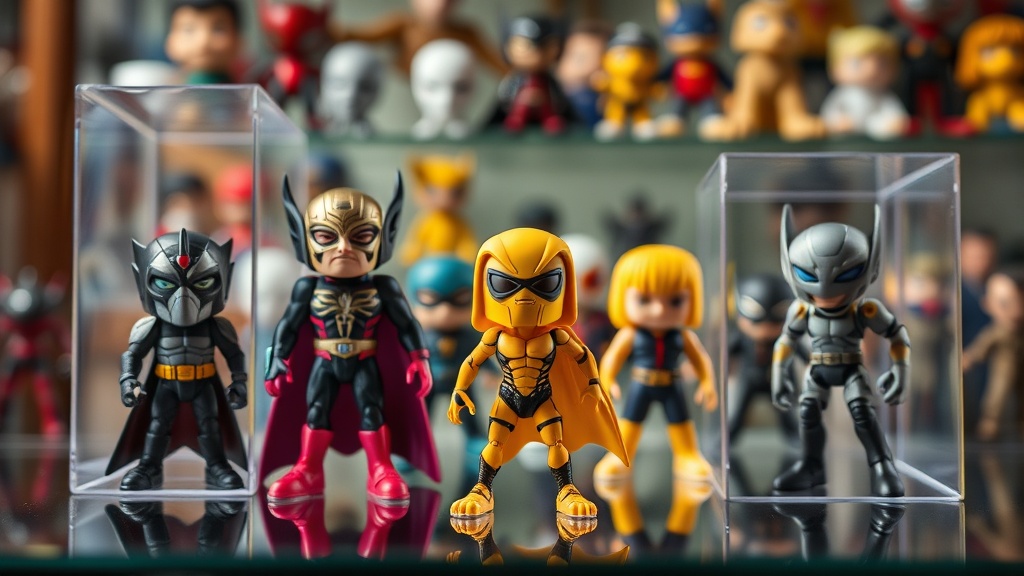
Why Vinyl Figure Collectors Choose Acrylic Over Glass

Learn why material choice affects your collection's longevity
This post examines the practical differences between acrylic and glass-fronted display cases for vinyl figures. You'll learn how light refraction, weight, and durability impact the way your collection looks and stays protected over time.
Choosing a display case isn't just about aesthetics; it's about the physics of your room. When you're looking at a massive collection of vinyl figures, the material of your shelving makes a difference in how much light hits your items and how much weight your furniture can actually hold. Many collectors start with basic shelving, but as the collection grows, the material science comes into play. Acrylic is a lightweight, synthetic polymer—essentially a high-grade plastic—while glass is a traditional mineral-based material. Both have their place, but they function differently in a collector's home.
Is acrylic better for heavy collections?
One of the biggest hurdles for collectors is weight. If you have hundreds of figures, that weight adds up fast. Glass is heavy. If you're using a modular shelving system, adding glass panels can significantly increase the load on your floor or your wall mounts. Acrylic, on the other hand, is much lighter. This makes it a better choice for wall-mounted displays or floating shelves where you don't want to risk structural failure.
However, weight isn't the only factor. There's also the issue of breakage. If a shelf fails, a glass panel becomes a dangerous mess of shards. An acrylic panel might crack or shatter, but it's far less likely to cause a major injury or destroy the figures inside. For families with pets or small children, the safety aspect of using a synthetic material is a huge benefit. You can't help but wonder if the trade-off in clarity is worth the added safety.
Let's look at a quick comparison of the two materials:
| Feature | Acrylic (Plexiglass) | Tempered Glass |
|---|---|---|
| Weight | Very Light | Heavy |
| Duration | Can scratch easily | Highly scratch resistant |
| Clarity | Excellent (High UV protection) | Excellent (High clarity) |
| Impact Resistance | High (Doesn't shatter) | Moderate (Can shatter) |
While glass offers a certain premium feel, acrylic is often more forgiving for the average collector's lifestyle. It's easier to transport, easier to install, and much easier to clean without fear of heavy lifting.
Does light refraction change how figures look?
The way light interacts with your figures is a major part of the display experience. Glass has a higher refractive index, meaning it bends light in a way that can create beautiful, sharp reflections. This makes it look very high-end. However, glass also tends to reflect more light back into the room, which can sometimes create glare that obscures the view of the figure itself.
Acrylic is often treated with UV-resistant coatings. This is a massive advantage for collectors who keep their displays in living rooms with natural light. According to technical specs found at science-based polymer resources, many acrylic sheets are designed to block specific wavelengths of light that cause fading. If your figures are near a window, an acrylic case might be your best defense against color degradation. Even if the light isn't direct, ambient UV rays can slowly bleach the vibrant paint on a figure over several years.
The way you clean these materials is also a point of contention. You can't just grab any spray bottle. If you use a harsh chemical on acrylic, you might end up with a foggy, ruined surface. Glass is much more resilient to standard cleaners, but even then, you want to be careful with the rubber feet or gaskets that hold the glass in place.
Can acrylic cause more scratches over time?
This is the biggest downside to using synthetic displays. If you are frequently moving your figures around to reorganize, you'll likely see micro-scratches on acrylic surfaces. These small marks can catch the light and become visible if the lighting is bright. Glass is much tougher in this regard; you can slide a figure across a glass shelf without much fear of leaving a permanent mark.
To mitigate this, many collectors use specialized micro-fiber cloths and avoid any abrasive cleaning tools. If you do get a scratch on your acrylic, there are specialized polishing compounds that can help, but it's a tedious process. This is why some collectors prefer glass for their "centerpiece" figures—the ones they touch or move often—and use acrylic for the larger, static background displays.
When you're deciding on a setup, consider how often you interact with your collection. If you're a "hands-on" collector who rearranges things weekly, glass might be more durable for the shelf surface. If you prefer a "set it and forget it" approach, the UV protection of high-quality acrylic is hard to beat. You can check out more about material properties through NIST to understand how different surfaces react to environmental factors like heat and light.
Ultimately, the choice depends on your priority. Do you want the weight and clarity of glass, or the safety and UV-resistance of acrylic? Both paths lead to a great-looking collection, provided you respect the materials you're using. A well-chosen display is the final piece of the puzzle in making your collection look its best.