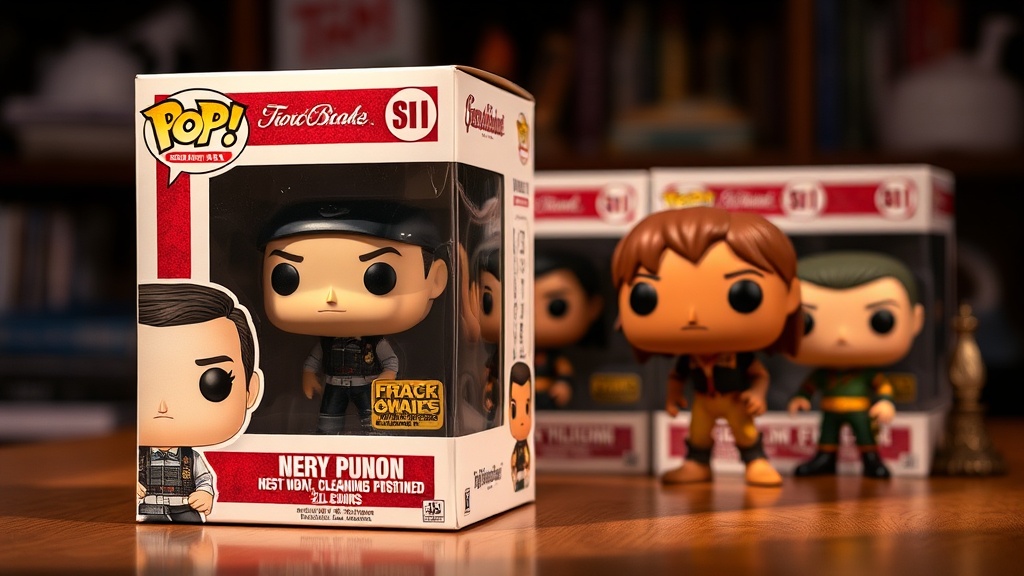
Cleaning Your Funko Pop Boxes to Keep Them Looking Brand New

Most collectors assume that a little bit of dust on a window display is harmless, but ignoring surface buildup can actually lead to permanent damage. This guide explains how to safely clean your Funko Pop boxes using non-abrasive methods to preserve the cardboard's structural integrity and finish. You'll learn which tools to use, what substances to avoid, and how to handle different types of grime without ruining the collectible value of your figures.
Can You Clean a Funko Pop Box with Water?
You should never use water or liquid cleaners directly on a Funko Pop box because moisture causes the cardboard to warp, swell, and lose its shape. While a slightly damp cloth might seem like a quick fix, the liquid can soak into the fibers of the packaging, leaving permanent water stains or "bruises" on the box. If you're a serious collector, even a tiny amount of moisture can decrease the resale value of a high-tier Chase or Limited Edition piece.
Instead of reaching for a spray bottle, focus on dry removal methods. Most of the "dirt" we see on our shelves is actually just fine particulate matter—dust—that sits on the surface. If you treat the box like a piece-of-art rather than a toy, you'll avoid the common mistake of making the cardboard soggy.
Here is a quick breakdown of what to use and what to avoid:
| Tool/Substance | Effect on Box | Verdict |
|---|---|---|
| Microfiber Cloth | Removes dust without scratching. | Safe |
| Soft Makeup Brush | Gets into crevices and corners. | Safe |
| Compressed Air | Blows dust away from the figure. | Safe (Use Caution) |
| Isopropyl Alcohol | Can strip the ink or finish. | Avoid |
| Wet Wipes | Leaves streaks and weakens paper. | Avoid |
How Do You Remove Scuffs and Fingerprints?
To remove light scuffs or fingerprints, use a clean, dry microfiber cloth and apply very gentle pressure in a circular motion. Most fingerprints are just oils from your skin, and a dry cloth is usually enough to lift them. If the smudge is stubborn, a very soft-bristled brush—think of a clean, high-quality makeup brush—can help lift the residue without scratching the printed graphics.
Sometimes, you might encounter a sticky residue from a price tag or a sticker. This is where things get tricky. You'll want to avoid any harsh chemical solvents. If you look up the properties of adhesives, you'll see how different substances react to surfaces. Using a solvent like Goo Gone might actually melt the ink on your box. If a sticker won't come off, it's often better to leave it alone than to risk a catastrophic failure of the box surface.
It's also worth noting that the window of the box—the clear plastic part—requires different care than the cardboard. The plastic is prone to static, which attracts even more dust. A quick pass with a specialized anti-static tool or a very dry, soft brush works wonders here.
If you're worried about the long-term preservation of your collection, you might want to check out my previous post on protecting your vinyl treasures from dust and sunlight. It covers how to prevent the buildup in the first place.
What Are the Best Tools for Dusting a Collection?
The best tools for dusting a Funko collection are a high-quality microfiber cloth, a soft-bristled makeup brush, and a can of compressed air used from a distance. Each tool serves a specific purpose depending on the level of grime you're dealing with.
- The Microfiber Cloth: Use this for the large flat surfaces of the box. It's much better than a paper towel, which can actually be abrasive and leave tiny scratches on the gloss finish.
- The Makeup Brush: This is my favorite tool for detail work. The bristles are soft enough to reach the corners where the box meets the plastic window without snagging the edges.
- Compressed Air: Use this sparingly. It's great for blowing dust out of the small gaps, but if you hold the nozzle too close, the pressure can actually dent the thin cardboard or even crack the plastic window.
I've found that using a small, handheld air blower (the kind used for camera lenses) is actually safer than compressed air cans. It's much more controlled. You don't want to accidentally blast a piece of dust into a crevice where it'll stay forever.
One thing to remember: don't be aggressive. If you're scrubbing, you're doing it wrong. The goal is to lift the debris, not rub it into the surface. If a spot won't come off with a dry cloth, it might be a permanent part of the box's texture or a printing error. Don't force it.
A lot of collectors spend a lot of time on official product pages looking at high-res photos to verify their figures, and you'll notice that the boxes are often quite matte or slightly glossy. If you use a cloth that is too rough, you'll change that texture, and the box will look "shiny" in a way that looks unnatural and cheap.
When you're cleaning, keep your eyes peeled for any signs of "shelf wear." This is a term we use often in the hobby. If you see a small tear or a crushed corner, cleaning it won't fix the structural issue, but it will at least make the defect easier to see. If you're looking to display your items more effectively, see my guide on organizing your shelves for maximum visibility and style. It helps to have a clean, organized setup from the start.
Keep your tools organized. I keep a small kit of brushes and cloths in a dedicated bin so I'm not hunting for a clean brush every time I see a dusty corner on my shelf. It makes the process much faster and less of a chore.
The more you care for the packaging, the better the long-term value. It's a simple rule of thumb. A pristine box is often the difference between a $20 figure and a $200 figure down the road. Just be patient, stay dry, and keep your movements light.
Steps
- 1
Gather Soft Materials
- 2
Remove Loose Dust
- 3
Treat Fingerprint Smudges
- 4
Dry Thoroughly