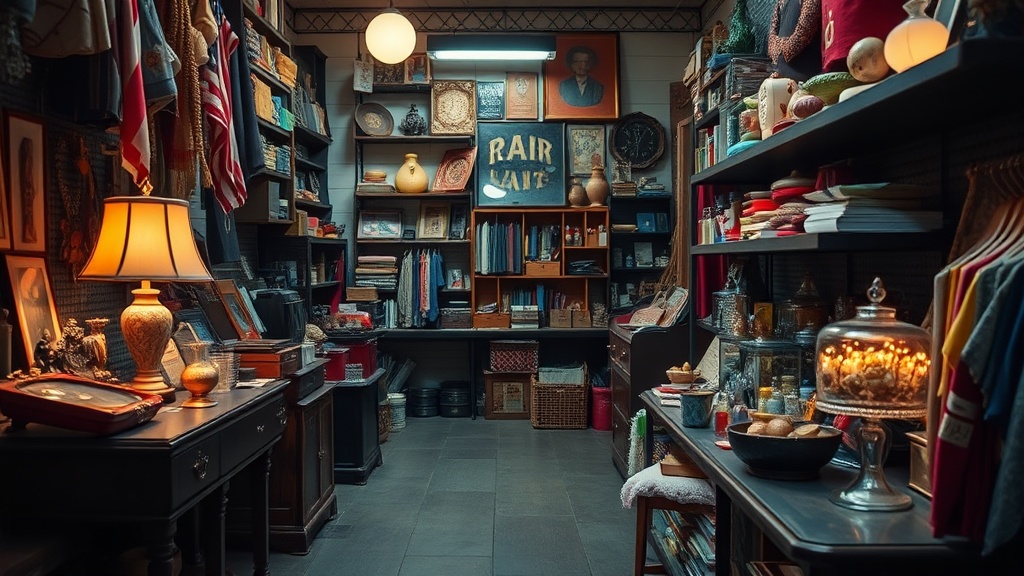
Rare Gems and Hidden Treasures Found in Thrift Stores

Checking for Sticker Authenticity
Identifying Common Errors and Variations
The Importance of Box Condition in Thrifted Finds
Roughly 70% of all used collectibles sold on secondary markets come from individual estate sales and thrifted-out collections. This post explores how to identify high-value Funko Pops, vintage action figures, and rare toys while browsing second-hand shops. We'll look at the specific signs of rarity, how to spot authentic versus counterfeit items, and where to look for the best way to find treasures without spending a fortune.
Thrift stores aren't just for old clothes or mismatched coffee mugs. For a serious collector, they are gold mines. You might find a vaulted Funko Pop sitting right next to a stack of old cookbooks. It's a high-risk, high-reward game. If you know what you're looking for, you can build a massive collection for a fraction of the retail price.
What Makes a Funko Pop Rare?
A Funko Pop becomes rare based on its production numbers, its "vaulted" status, or its specific limited edition sticker. When a figure is "vaulted," it means Funko is no longer producing that specific version—it's gone from the factory floor to the secondary market. This is the moment the value starts to climb.
Keep an eye out for these specific indicators of rarity:
- Convention Exclusives: Look for stickers that mention SDCC (San Diego Comic-Con) or NYCC (New York Comic-Con). These are often the holy grails found in the wild.
- Chase Variants: These are the "hidden" versions of a standard figure. They might have a different color scheme or a slightly different texture.
- Limited Edition Stickers: A sticker from a retailer like Hot Topic or GameStop can significantly change the price.
- Condition: A "mint" box is worth significantly more than a crushed one. (Even a small dent on the corner can drop the value by 20% or more).
If you find a figure that looks slightly different from the standard version, don't just put it back. It could be a Chase variant. Always check the official Funko website to verify if a specific line is still in production or has been retired.
One thing to watch for is the "sticker" status. A box with a sticker is almost always more valuable than a plain box. This is because the sticker proves it was an exclusive release. It's a small detail, but it's the difference between a $10 find and a $100 find.
How Can You Tell if a Toy is Authentic?
Authenticity is verified by checking the manufacturer's marks, the weight of the figure, and the quality of the packaging. Counterfeit Funko Pops are common on the secondary market, and even seasoned collectors get fooled occasionally. You'll usually see discrepancies in the font, the plastic quality, or the paint application on fake versions.
When you're at a thrift store, you don't have a high-tech scanner. You have your eyes and your hands. Here is a quick checklist to use when you find something that looks too good to be true:
- Check the Bottom: Most official Funko products have the brand name and copyright info embossed or printed clearly on the bottom of the figure or the box.
- Examine the Font: Fakes often use slightly different fonts or thinner lines on the box art.
- Feel the Weight: Authentic figures have a specific weight to them. If the figure feels hollow or "light," be suspicious.
- Look for Glitches: Check the box for typos. A typo on a "limited edition" box is a massive red flag.
It's worth noting that even if the box is perfect, the figure inside might be a knock-off. If you're buying a high-value item, always try to look through the window or even lift the figure out if the store policy allows it. If you want to keep your collection looking professional once you get it home, you might want to check out the ultimate guide to displaying and caring for your Funko Pop figures.
Where Should You Look for Hidden Treasures?
The best places to find rare collectibles are thrift stores, estate sales, and local flea markets. While big-box retailers are great for buying new releases, they rarely have the "weird" or "old" stuff that collectors crave. You need to go where the-unorganized-inventory lives.
Here is a breakdown of where to focus your energy:
| Location Type | Likelihood of Rarity | Price Point | Effort Level |
|---|---|---|---|
| Thrift Stores | Medium | Very Low | High (Lots of digging) |
| Estate Sales | High | Medium | Very High (Requires timing) |
| Flea Markets | High | Variable | Medium |
| Garage Sales | Low | Extremely Low | Low |
Estate sales are particularly lucrative. When a collector passes away, their entire inventory often goes to a single liquidator. This is where you find the "old school" stuff—the vintage Star Wars figures or the early-generation Funko Pops that have been sitting in a closet for a decade. These items are often priced by the pound or by the piece, rather than by their actual market value.
Thrift stores are a different beast. They are more unpredictable. One day you might find a box of junk; the next, you might find a rare piece of memorabilia. The key is consistency. If you visit the same shop once a week, you'll eventually see the patterns in what they stock. You'll start to recognize the types of items they tend to get from local donations.
Don't ignore the "toy" section. Often, people donate high-end collectibles in the same bin as cheap plastic dinosaurs. This is where the real profit lies. If you see a box that looks a bit more "premium" than the others, take a closer look. It might be a high-end statue or a limited edition figure hiding in plain sight.
If you find a piece that is a bit dusty or has a smudged box, don't panic. You can often clean it up. For example, if you find a figure with a slightly scuffed box, you can use tips from cleaning your Funko Pop boxes to restore its appearance. A little bit of care goes a long way in preserving value.
Remember, the goal isn't just to buy everything you see. It's to buy the right things. A single rare find can pay for all your thrift store trips for the entire year. It's a slow build, but the payoff is huge for dedicated collectors.
Always bring a small notebook or use a notes app on your phone. If you see a brand or a character name you don't recognize, write it down. You can look up the current market value on sites like eBay or specialized collector databases later. This way, you aren't guessing while you're standing in the aisle. You'll know exactly what you're looking at before you even reach the register.
Keep your eyes peeled for the "unboxing" potential. Sometimes, the most valuable part of a thrifted find is the story it tells. A well-preserved vintage figure is a piece of history. It's more than just plastic—it's a piece of the culture we love.